Walk-in cooler vs walk-in freezer
A walk-in cooler keeps goods chilled, and a walk-in freezer keeps them frozen. Choose between them according to your products, how you handle them and the temperature they need.
Start with what you need to preserve. Some goods are meant to be kept chilled, such as fresh produce, dairy, flowers and many medicines. Others are meant to be kept frozen, such as meat, fish, ice cream and some vaccines. Each needs its own temperature and its own handling plan.
Don’t choose a freezer just because it gets colder. Freezing can damage goods meant for chilled storage. And a cooler can’t stand in for a freezer just because the goods will only be there briefly.
Check the product instructions for the required temperature, and consider how long the goods will need to be kept. If different products need different temperatures, plan separate spaces for them.
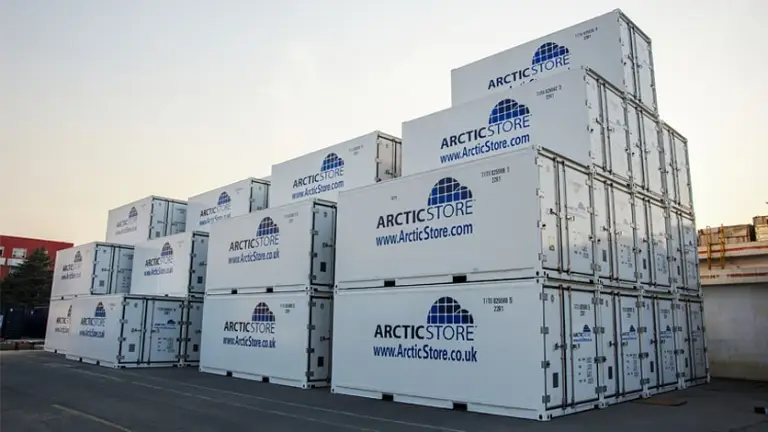
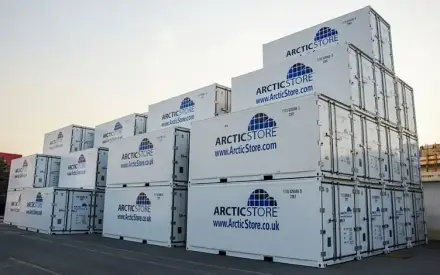
A walk-in cooler is a cold room you can walk into, kept above freezing to hold food and other products that need to be chilled. For food, that usually means 41°F or below. A walk-in cooler is usually for goods you’ll use or sell within days, such as ingredients, dairy and fresh produce.
A walk-in freezer is a cold room you can walk into, kept at 0°F or below to hold goods frozen solid. It’s for goods you may want to store for weeks or even months, such as frozen meals, meat and ice cream, and it’s also where you build up reserve stock.
| Walk-in cooler | Walk-in freezer | |
|---|---|---|
| Type of product | Chilled goods | Frozen goods |
| Temperature | The chilled temperature your product needs | The frozen temperature your product needs |
| How you use it | Frequent access for picking or chilled dispatch | Holding frozen stock and retrieving it |
| Moisture | Condensation and wet surfaces | Ice and frost, as well as moisture at entrances |
| Working inside | Staff need safe access and clothing suited to the cold | Insulated clothing, limited time inside and care on icy floors |
| Incoming goods | Check whether they arrive chilled or need cooling | Check whether they arrive frozen or need freezing |
The difference between a walk-in cooler and freezer is often all down to the temperature you set, as they are often the same model.
Always follow the requirements for your product lines and local rules, because they can differ.
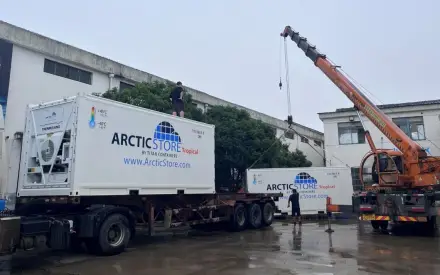
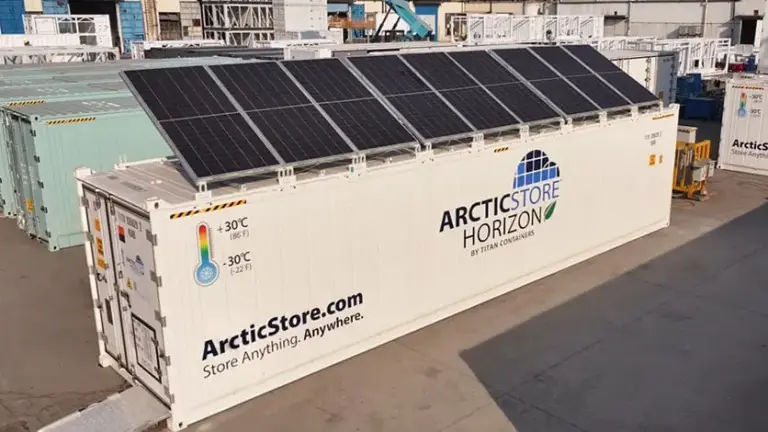
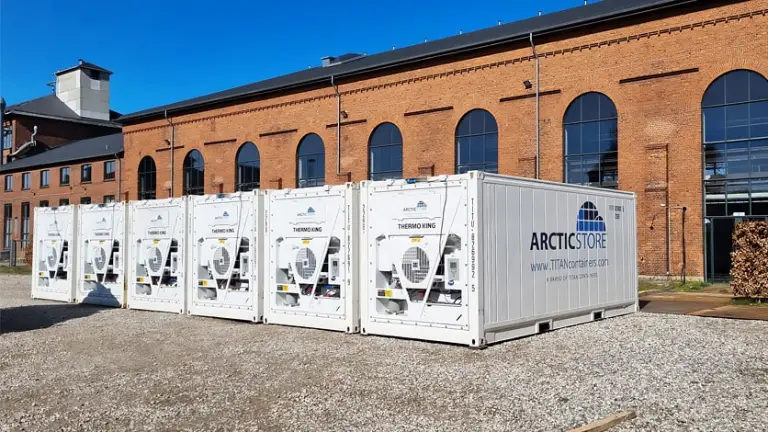
Our ArcticStore refrigerated containers are walk-in cold spaces that operate from -40°F to +113°F, in 10ft, 20ft and 40ft sizes, so one can be set up as a cooler or as a freezer.
But a single unit can only hold one temperature at a time. It can’t be a cooler at one end and a freezer at the other. If you need both at once, use separate units, or an Arctic SuperStore with separate temperature zones.
You can switch an ArcticStore from chilled to frozen, or back, whenever your needs change. Just empty it first, and don’t load the new stock until the container has reached the new temperature.
Discuss your chilled and frozen stock with us to compare suitable units and layouts.
No. The air in a cooler or freezer can get cold long before the middle of a warm load has caught up, because air cools much faster than the product does.
If your goods arrive at their storage temperature, the unit only has to keep them there. If they arrive warm, tell your supplier how much needs cooling and how fast.
For fast cooling, use a unit built for the job, such as TITAN’s ArcticBlast. It chills, freezes and tempers goods quickly.
A walk-in cold space is somewhere people work as well as somewhere to keep stock. Staff need to find and take out goods without blocking the door or disturbing other products.
Note down your pallet and carton sizes, your shelf layout and the handling equipment you’ll use. Leave room for air to move inside the container and for any goods that must be kept apart. Then work out how much stock the layout can really hold at your busiest point.
A cooler with stock that changes daily may need more easy-to-reach positions than a freezer holding full pallets for weekly dispatch. So two businesses with the same amount of stock can need different sizes.
Think through one delivery and one busy shift. If you’ve slipped into the habit of leaving the door open while staff sort stock, rethink that as soon as you can, as you’re wasting energy and may be causing temperature fluctuations.
Warm air that gets into a cold space brings moisture with it. In a freezer, that turns to ice and frost and can make the floor slippery. Keep the door closed between transfers, and report ice that keeps coming back.
Dress for the temperature and for how long you’ll be inside. Keep exit routes clear, and make sure staff know how the internal door release and alarm work. Treat cold as a workplace hazard like any other: think about how cold it is, how long people stay inside and what protection they have.
Safety features help, but they don’t replace training, regular checks or a fix when something is damaged.
Setting a unit colder than your product needs doesn’t make it safer. It costs more to run, and many products have a lowest safe temperature as well as a highest, so freezing can damage goods meant to be chilled. Choose the temperature your product calls for, and no lower.
A colder temperature usually means the unit works harder, so walk-in freezer temperatures tend to demand more electricity than a cooler in similar conditions. How much more depends on the container’s insulation, the weather outside, the temperature of the goods going in and how often the door opens, so there’s no fixed ratio. Ask for an estimate for your own job.
Electricity is only part of the cost. For a full picture, add the rental or purchase price, delivery, site preparation, electrical work, accessories and what the service covers.
If you’re renting for a long time, think about what it’s worth to be able to change capacity as your demand changes. Our flexible rental terms let you raise that when you ask for a quote.
Put the goods you pick most often where they’re easiest to reach. A space used for small daily picks needs clear labels and room to reach individual items, while one holding full pallets for weekly dispatch can be packed more tightly. Don’t give both the same layout.
Keep products apart and airflow clear, and make sure returns keep their labels and status when they go back in.
Plan for your busiest period, not the quiet start of the day. If deliveries and outgoing orders use the same door at the same time, stagger them or move the staging area. Getting the temperature right matters, but a layout your team can work in is what keeps it right through the shift.
For chilled stock, tell us the temperature you need and how often you’ll need to get at it. For frozen goods, add the temperature it has to stay at and whether it arrives frozen or needs freezing first. If you need both, say how much of each so we can plan the split from the start.
Request a walk-in cold storage quote, and we can help match the right container to the task.
For food, 0°F or below is the usual standard. Some products need to be colder, so check the instructions. An ArcticStore goes down to -40°F, and the Arctic UltraFreezer goes down to -103°F for products that need ultra-low temperatures.
For food, 41°F or below. That’s the FDA Food Code’s limit for cold holding, which state and local authorities adopt. Other products have their own ranges, so follow the manufacturer’s instructions. Our ArcticStore can be set to any temperature from -40°F to +113°F – which comfortably matches walk-in cooler temperatures.
No. One unit holds one temperature at a time, so goods that need different temperatures need separate units, or a SuperStore with separate temperature zones.
Not automatically. A freezer keeps frozen goods frozen, while a blast freezer freezes them quickly. If you need to freeze warm product fast, tell us how much you have and how fast you need it, and we can recommend a unit like the ArcticBlast, which is also a walk-in.
It’s mostly the same. They need suitable (solid) ground, access, power and room around the cooling equipment. The difference is in working inside a freezer. It’s colder, ice can build up around the door, and staff shouldn’t stay in as long, so plan for that. Check the requirements for each unit.
No. A cooler holds food above freezing, so frozen goods would start to thaw, even if held for a short time. Move them to other freezer space that keeps them at the right temperature.
Yes. An ArcticStore can be set to any temperature from -40°F to +113°F, so the same unit can be a cooler or a freezer. Empty it first, set the new temperature and don’t load anything until it has reached it.

Josefine Falch is Global Marketing Manager at TITAN Containers, responsible for driving global marketing strategy, brand positioning, and lead generation across key industries and markets. With a strong focus on data-driven marketing, international campaigns, and cross-market alignment, she works closely with local teams to support commercial growth and strengthen TITAN’s presence worldwide.